


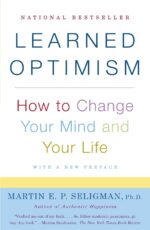

Learned Optimism – Martin E. P. Seligman
Martin E. P. Seligman is one of the most influential psychologists of his generation. His early research on learned helplessness showed how animals and people who experience uncontrollable setbacks can come to believe that nothing they do matters, a finding that shed light on depression. In Learned Optimism: How to Change Your Mind and Your Life, he turns this research around to show that optimism, too, can be learned.
Seligman explains that the key difference between optimists and pessimists lies in their explanatory style, the way they habitually explain the bad and good events in their lives. Pessimists tend to see setbacks as permanent, pervasive and personal, while optimists see them as temporary, specific and caused by circumstances. These habits of thought, he argues, have powerful effects on mood, achievement, health and resilience.
The book presents research on how explanatory style affects performance in school, work, sports and politics, as well as physical health and vulnerability to depression. Readers can take questionnaires to assess their own explanatory style and that of their children.
Seligman then offers practical techniques, based on cognitive therapy, for changing pessimistic thinking. A central method teaches readers to recognize adversity, the beliefs it triggers and their consequences, and then to dispute those beliefs and shift to more energizing ways of thinking. He also discusses flexible optimism, recognizing when caution and realism are needed.
Clear and encouraging, Learned Optimism is a classic of psychology for general readers and a foundation of positive psychology. It is not a substitute for professional treatment for depression.


Valoraciones
No hay valoraciones aún.